
Lodaer Img

Nutrition Guide for CKD Patients: Eating Well to Protect Your Kidneys

By CuraKidney
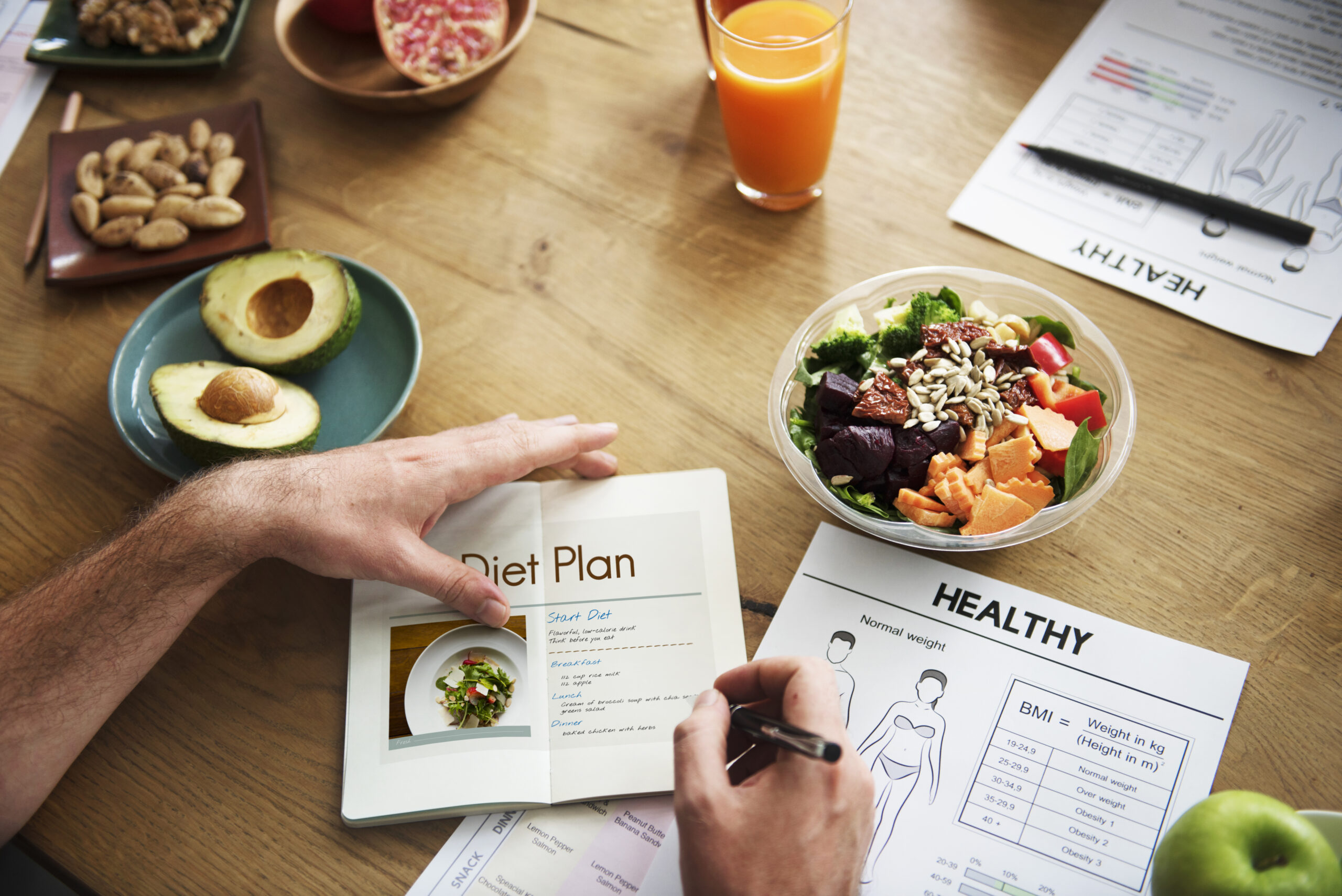
Healthy eating is one of the most powerful ways to care for your kidneys. Food shapes how your body feels, functions and heals, and this becomes even more important when you are living with chronic kidney disease. At CuraKidney, we always tell our patients that nutrition is not about restriction. It is about choosing foods that help you feel lighter, stronger and more energetic every day.
This guide brings together trusted recommendations from the Philippine Society of Nephrology’s CKD Nutrition Manual and translates them into an easy, lifestyle friendly approach that empowers you to make better choices at the dining table.
Why What You Eat Matters
Your kidneys act as the body’s natural filters. When they begin to slow down, waste and excess minerals stay longer in your bloodstream. The right food choices help lighten the kidneys workload and support your overall health. The CKD Nutrition Manual highlights how proper nutrition can slow down CKD progression, reduce complications and improve quality of life
Good nutrition becomes a daily form of self care. Small choices add up, whether it is a cup of cooked vegetables on your plate or skipping sauces that are heavy in salt.
The CKD Friendly Plate
Healthy eating does not have to be confusing. One of the most practical tools in kidney care is the plate method, a visual guide that helps you build balanced meals without overthinking every ingredient. The manual’s MyPlate for Healthy Eating with CKD offers a simple breakdown that anyone can follow at home or even while eating out
Half the plate for vegetables
Vegetables bring in vitamins, minerals and fiber. For CKD patients, the choice of vegetable depends on your potassium level. Your healthcare team will help you choose what is best for you.
Common Filipino vegetable options include cabbage, ampalaya, eggplant, pechay, lettuce and green beans. Some vegetables are better eaten cooked to help lower their potassium content.
One fourth of the plate for protein
Protein keeps your muscles strong and supports tissue repair. CKD patients need just the right amount because too much can overwork the kidneys.
Here is a quick guide:
  • Pre dialysis CKD: about 1 to 1.5 ounces of protein per meal
  • Dialysis patients: 2 to 3 ounces per meal
The manual compares this portion to the size of a matchbox or the width of your palm, making it easy to estimate even without a measuring cup. Good protein choices include chicken, fish, lean beef, eggs, tofu and beans.
One fourth of the plate for carbohydrates
Carbohydrates are your body’s main energy source. CKD patients do not need to avoid them, only portion them properly. The manual lists familiar staples such as half a cup of rice, one cup of noodles or oatmeal, or two slices of bread.
A small serving of fruit on the side
Fruit adds color and sweetness but also potassium. The safest rule is to keep fruit portions to half a cup or one small piece. Options include apples, grapes, pineapple, watermelon, pears and citrus fruits
Water as your main drink
Water is always the safest choice. Some patients may have fluid restrictions, especially those already on dialysis. Your doctor will guide you based on your urine output and treatment plan.
Navigating Protein, Salt, Potassium and Phosphorus
CKD friendly nutrition is not about eliminating entire food groups. It is about learning how specific minerals affect your kidneys and adjusting accordingly.
Protein: The manual outlines different protein needs depending on CKD stage. Pre dialysis patients require limited protein to reduce kidney strain while dialysis patients need more to prevent malnutrition because the treatment removes waste products from protein breakdown
Salt or sodium: Salt makes the body retain fluid and raises blood pressure. CKD patients are guided to stay under one teaspoon of salt a day. This includes avoiding sauces, canned products, instant noodles and processed meats, which are main sources of hidden sodium
Potassium: Potassium keeps the heart beating steadily. Too much or too little can cause problems. The CKD manual provides detailed lists of low, medium and high potassium fruits and vegetables to make choosing easier
Phosphorus: High phosphorus levels can weaken bones and cause itching. Foods like nuts, seeds, beans, dark colas and processed cheese are usually limited. Dialysis patients may also be prescribed phosphate binders that must be taken with meals as noted in the manual’s dialysis tips section.
CuraKidney: A Healthier Plate for a Healthier Life
At CuraKidney, nutrition is woven into every patient’s care journey because we know that food shapes how you feel day to day. Our team believes that healthy eating should never feel intimidating or restrictive. It should feel doable, comforting and personal to you. This is why our board certified nutritionist works closely with each patient to create a plan that feels natural to follow and easy to sustain.
We offer free personalized diet plans that go beyond lists of what to avoid. Your nutrition plan is built around your routines, your favorite flavors and your cultural food preferences. Whether you are juggling work, preparing meals for your family or navigating dialysis treatments, your dietitian helps you choose meals that actually fit your life. Every recommendation is rooted in your kidney health goals, your latest lab results and the way you want to live. It is practical support designed to make every plate healthier, more satisfying and more aligned with your long term wellness.
CuraKidney Dialysis & Renal Care Center
📍G/F Ayala Malls Feliz, Pasig City
📞 +63 962 911 7952 | (02) 8652 4846
Tags:

Leave a Reply

Your email address will not be published. Required fields are marked *