
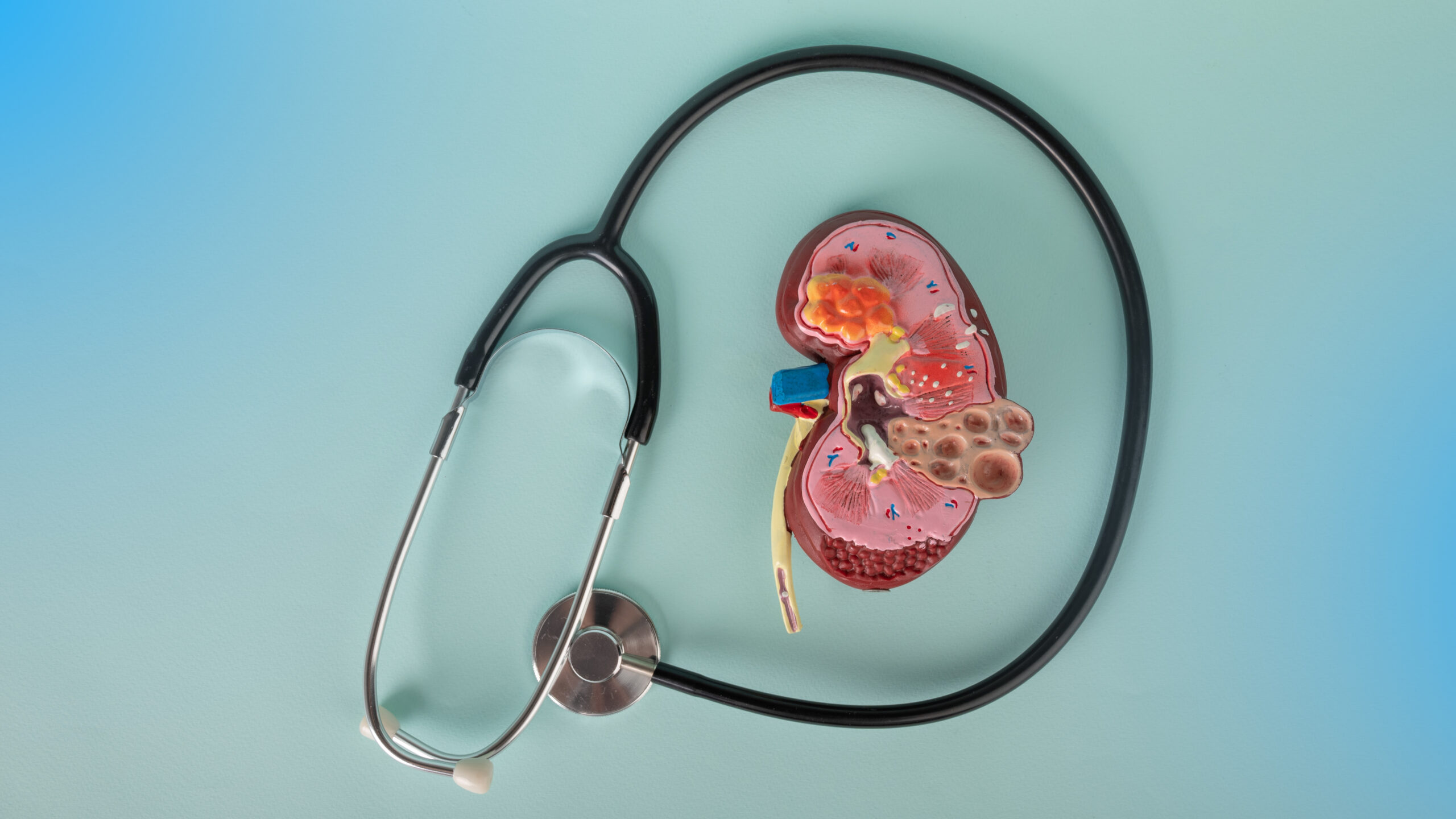
Chronic Kidney Disease: Early Symptoms, Stages, and How to Slow It Down | Dialysis for Pasig and Marikina
Chronic Kidney Disease (CKD) happens slowly. It is not sudden like trauma or a one-time infection. It is progressive — meaning the kidneys lose function gradually over months to years. Many Filipinos do not know they have CKD until it is already in a late stage, because the early stages often have no obvious symptoms.
This is why education, screening, and early lifestyle intervention are extremely important — especially for patients at risk in Pasig, Marikina, Rizal, and nearby cities where diabetes and hypertension remain widespread.
What CKD Really Means
Your kidneys filter your blood every single minute. They remove toxins, excess water, and waste — and they help regulate electrolytes like potassium, they balance blood pressure, support red blood cell production, and protect bone health.
When kidneys start losing their ability to filter blood properly, waste begins accumulating. This can silently cause damage to multiple organs, affect the heart, blood vessels, immune system, and overall energy.
CKD is considered chronic because the decline happens slowly. There is still no cure — but CKD CAN be slowed down significantly with early detection, consistent follow up, and kidney-protective care.
What Causes CKD?
In the Philippines, the two biggest causes — similar to global data — are:
• Diabetes
• Hypertension (High blood pressure)
Other causes include glomerulonephritis, polycystic kidney disease, recurrent kidney infections, chronic obstruction from stones or prostate enlargements, autoimmune diseases, and long-term NSAID painkiller use.
Early Symptoms to Watch Out For
Most people feel nothing in the early stages. Symptoms usually start showing during Stage 3 or later. Some warning signs include:
- more frequent urination
• foamy / bubbly urine
• swelling in feet, ankles, eyes
• fatigue, weak body feeling
• decreased appetite
• difficulty concentrating
• itchy dry skin
• muscle cramps at night
These symptoms develop slowly — and in many cases — silently. Waiting for symptoms before testing is risky. Screening is key.
CKD Has 5 Stages
CKD is staged based on GFR — the number that tells how well kidneys are filtering.
Stage 1 – mild damage, GFR ≥90
Stage 2 – mild to moderate damage, GFR 60–89
Stage 3a – moderate damage, GFR 45–59
Stage 3b – moderate to severe damage, GFR 30–44
Stage 4 – severe damage, GFR 15–29
Stage 5 – kidney failure, GFR <15, this stage usually needs dialysis or transplant
Many Filipinos are diagnosed only at Stage 4–5 because they experience symptoms only when kidneys are already severely damaged.
How to Slow CKD Progression
While CKD cannot be reversed, it CAN be slowed down dramatically. The goal is to protect kidney function for as long as possible. This includes:
- managing blood sugar (for diabetic patients)
• controlling blood pressure consistently
• avoiding unnecessary painkillers like NSAIDs
• staying physically active
• eating a kidney-friendly diet
• maintaining a healthy weight
• avoiding smoking
• regularly following-up with nephrologists
A dietitian specialized in renal nutrition is also extremely helpful — because kidney diet is not one-size-fits-all. It changes depending on your lab results, potassium levels, phosphorus levels, stage, and comorbidities.
When Is Dialysis Needed?
Dialysis becomes necessary once kidneys reach Stage 5 / end-stage kidney failure and are no longer able to filter waste enough to sustain life. Untreated kidney failure is fatal. Dialysis replaces the essential filtration that kidneys cannot perform anymore.
Hemodialysis (in-center dialysis) cleans blood through a machine, generally 3x a week for about 4 hours per session. Peritoneal dialysis is another option that uses the lining of the abdomen to filter blood at home.
For patients in Pasig, Marikina, and nearby areas — access to safe, infection-preventive dialysis matters greatly because CKD patients are immunocompromised and at higher risk for complications.
Why Early Detection Changes Outcome
Many patients with CKD can maintain kidney function for years if they take action early. The difference between Stage 3 that stabilizes — versus Stage 3 that eventually progresses to Stage 5 needing dialysis — is often early intervention + consistent monitoring.
Testing is simple:
• Blood creatinine + GFR
• Urine albumin / protein
These two tests — done regularly — can already detect CKD early even before symptoms show.
CuraKidney Support for Early + Late Stage CKD
For patients already needing dialysis in Pasig and Marikina — CuraKidney focuses on comfort, safety, and evidence-based care. Having nephrologists on-site, infection control standards like double pass RO water, and personalized nutrition education can significantly affect quality of life and outcomes.
CKD is lifelong — but with guidance, monitoring, and timely treatment, patients can still live meaningful, productive lives. Many people with CKD continue working, raising families, building careers, traveling, creating — and finding purpose every day.
CKD is common — but it is not inevitable, and it is not automatically a hopeless diagnosis. The goal is to delay progression for as long as possible, to protect what kidney function remains, and to begin treatment early if dialysis becomes necessary.
Health is stronger when you are supported, informed, and cared for by a team that sees you as a person — not just a diagnosis.
CuraKidney stands with patients and families in Pasig, Marikina, and nearby areas — to make kidney care safer, more comfortable, and more compassionate.
Forward thinking kidney care means helping patients live more — not less — even with CKD.
📍 CuraKidney Dialysis & Renal Care Center
G/F Ayala Malls Feliz, Pasig City
📞 +63 962 911 7952 | (02) 8652 4846
#CareComfortCura #CuraKidney #DialysisCarePH #AVFistulaCare #KidneyHealth